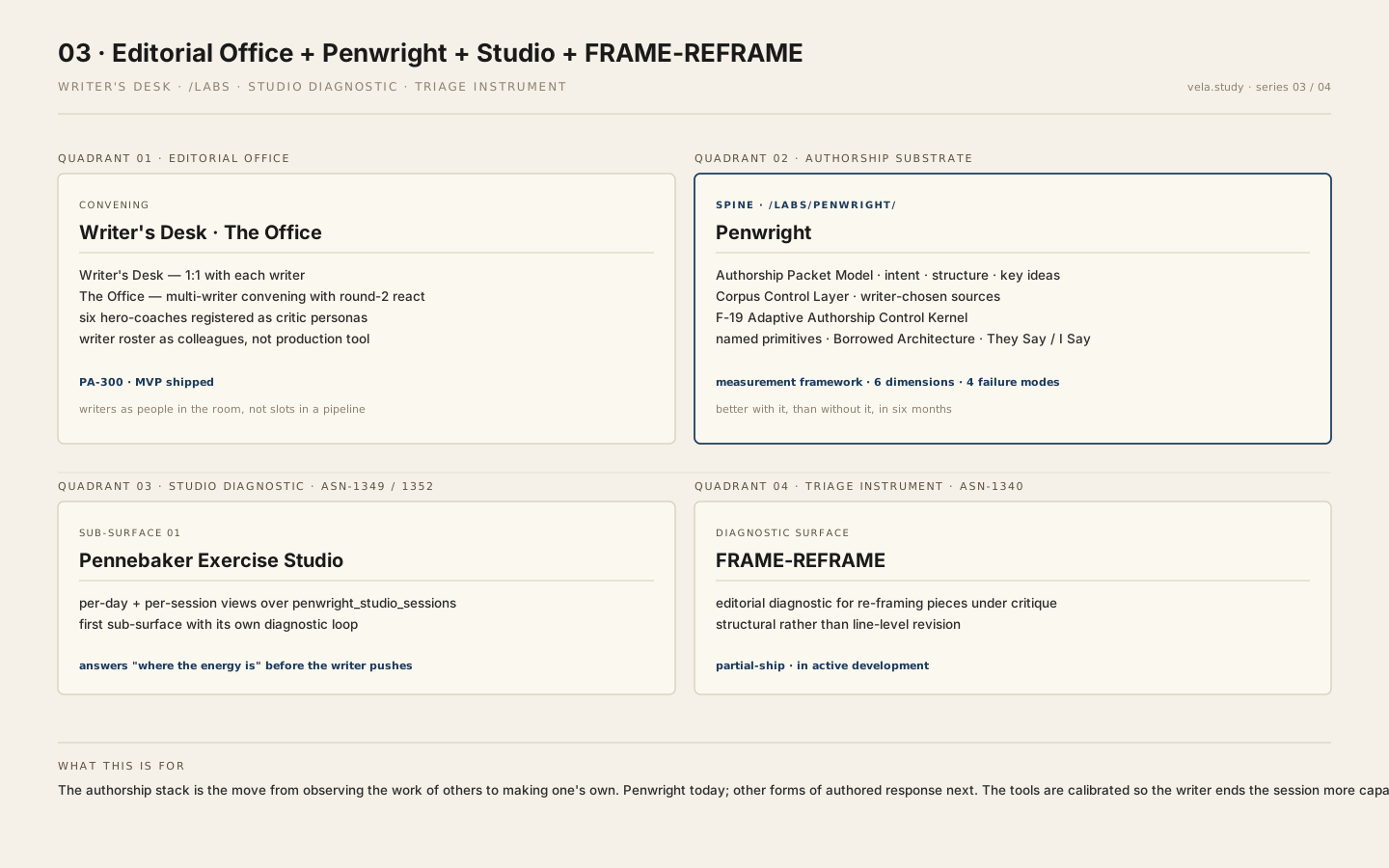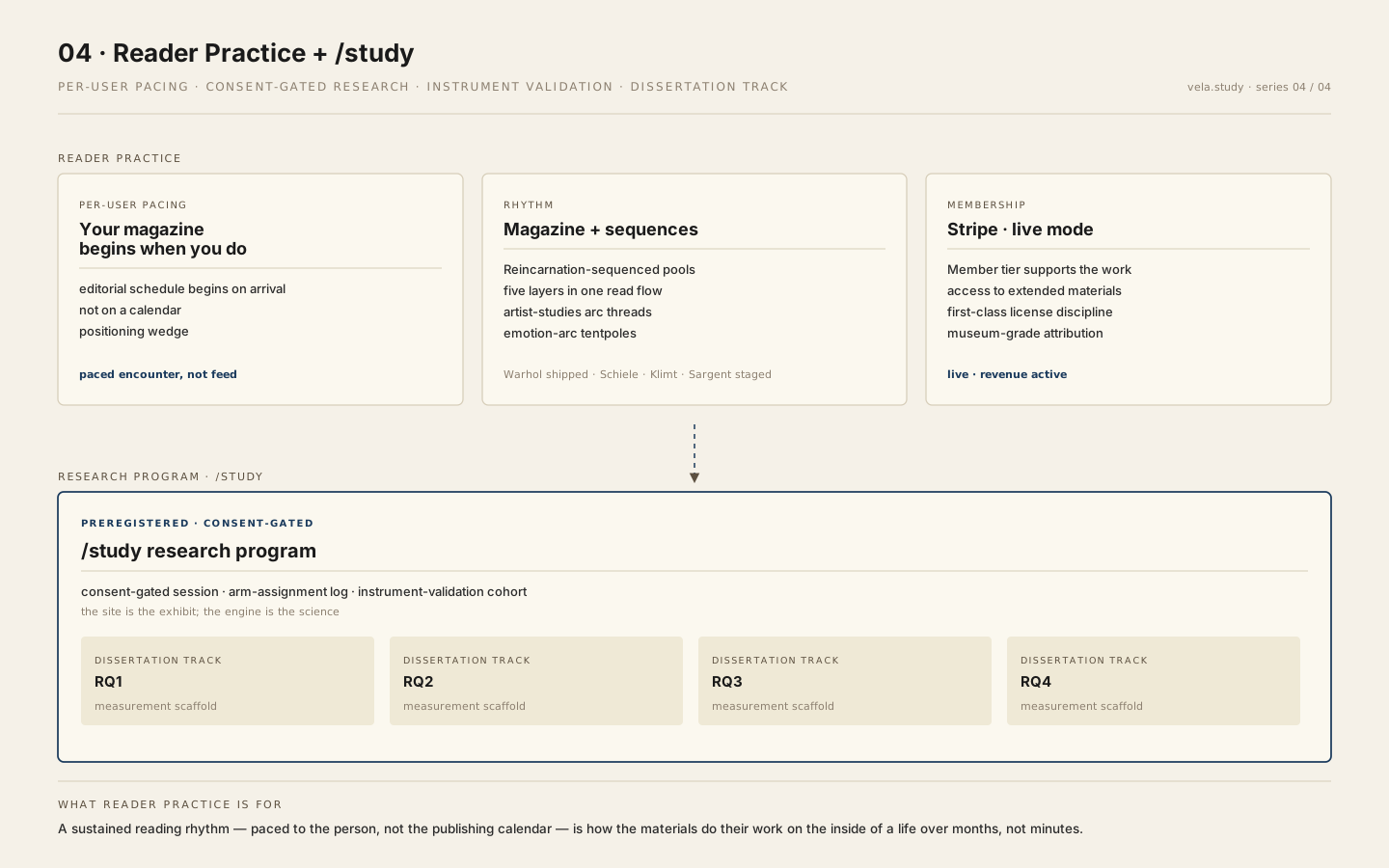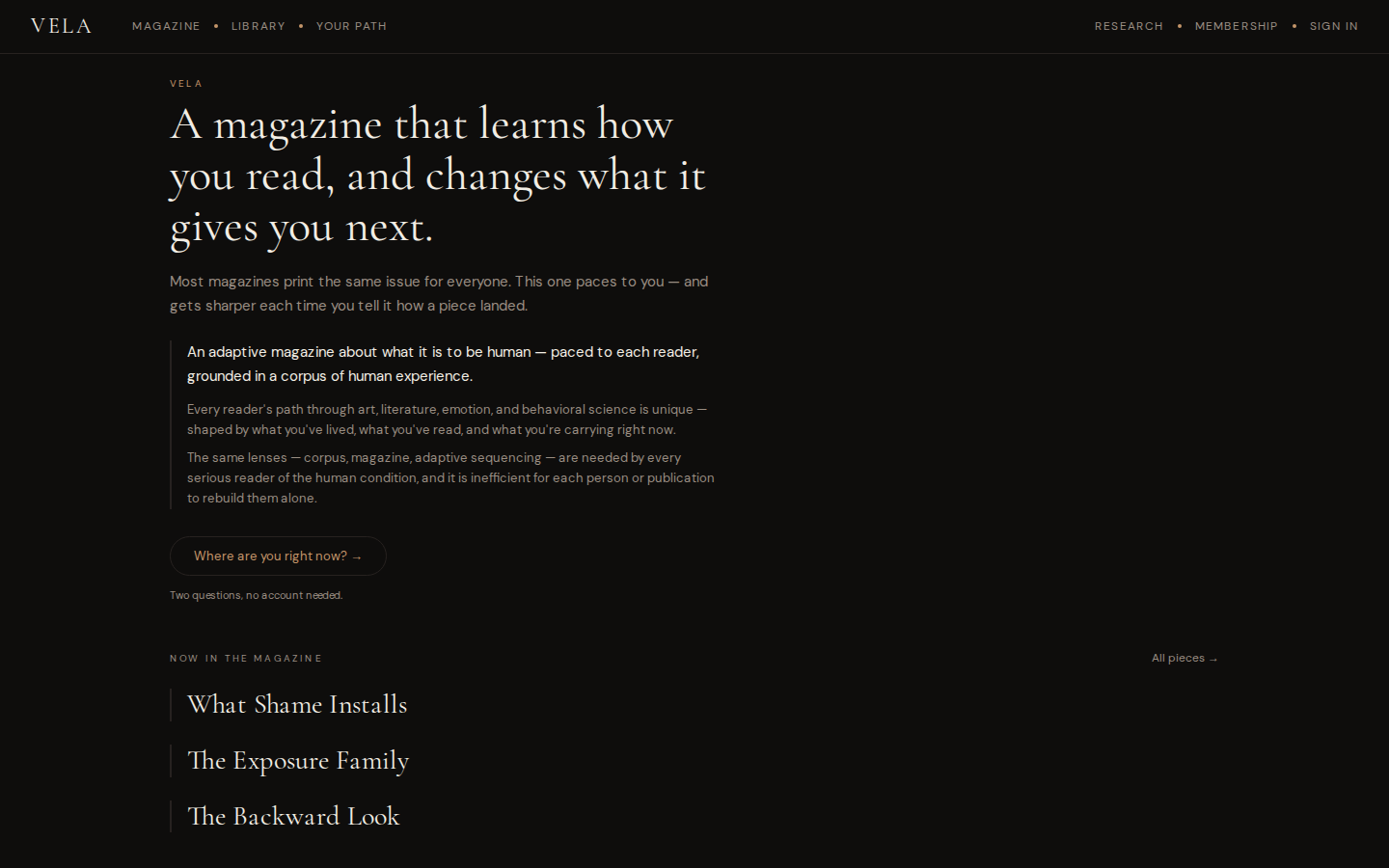
I built Vela as a magazine for adults who want art, literature and emotion treated with care. The material that explains being human is everywhere, and the person who needs it still has to assemble it alone. Shame may appear in a painting, a clinician’s language, a novel and a memoir. Grief may be better served by one real passage than by a stack of vague recommendations. I wanted to put those materials in the same room and make the reason for each choice visible. Each recommendation on an emotion page therefore shows why the book belongs and gives the reader some of its actual language. The magazine also respects timing. It begins when the reader arrives and responds as images and pieces land. For readers without an account, the unread route stays in their browser because the magazine does not need to keep a server-side path for every visitor. My aim is for someone to recognize something true, follow the next piece and return.
Who it is for
Vela is for adults who arrive with a feeling, a book or an image in mind and want material selected with care. It serves readers who prefer literature and art to self-help, want enough of a book to judge it for themselves, and value a magazine that responds to what holds their attention.
The problem
When you are trying to understand grief, shame, desire or faith, the useful material is scattered across novels, memoir, art, religion, psychology and sociology. Self-help can feel thin, and popularity lists rarely show the sentence that earned a book its place. You suspect the answer exists, but you are left to cross disciplines, compare recommendations and work out which books truly enter the feeling before you spend time or money on them.
What I built
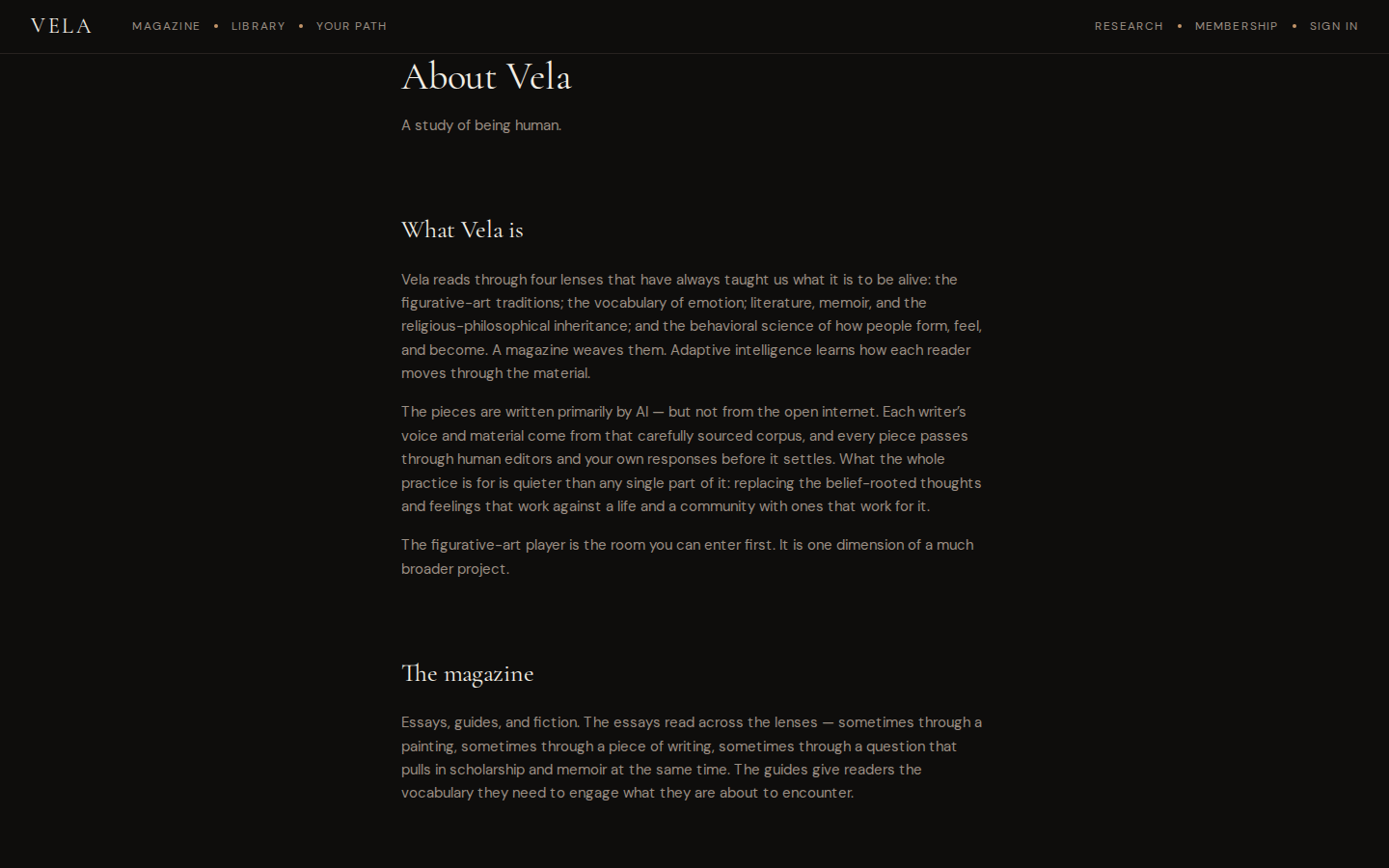
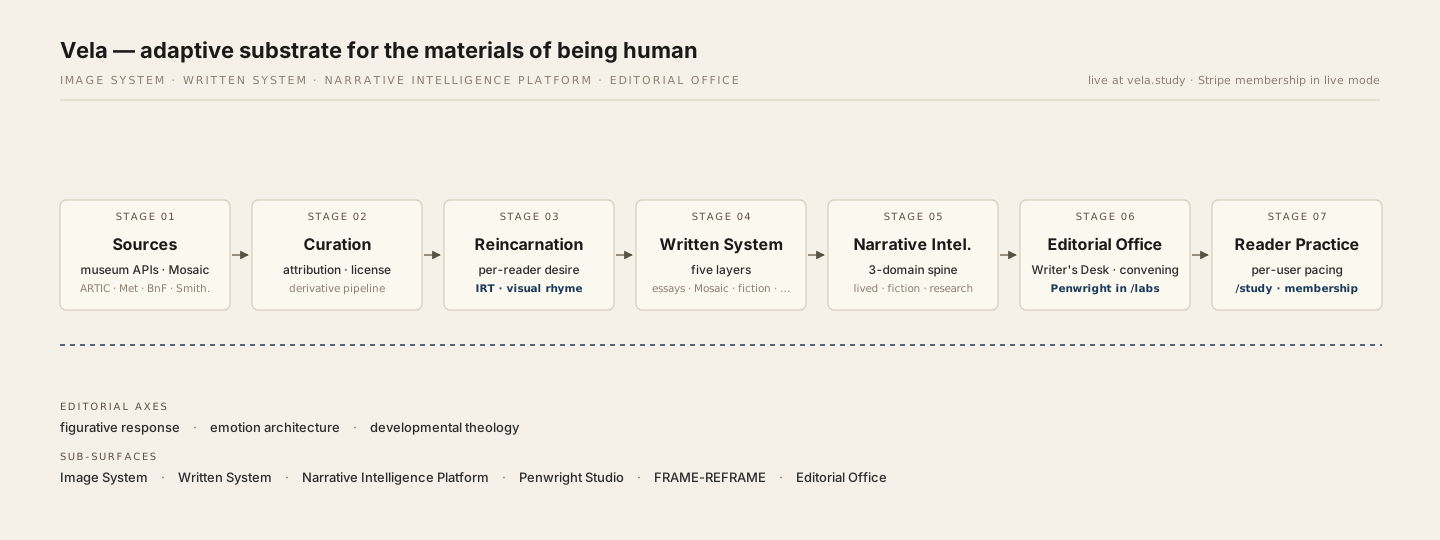
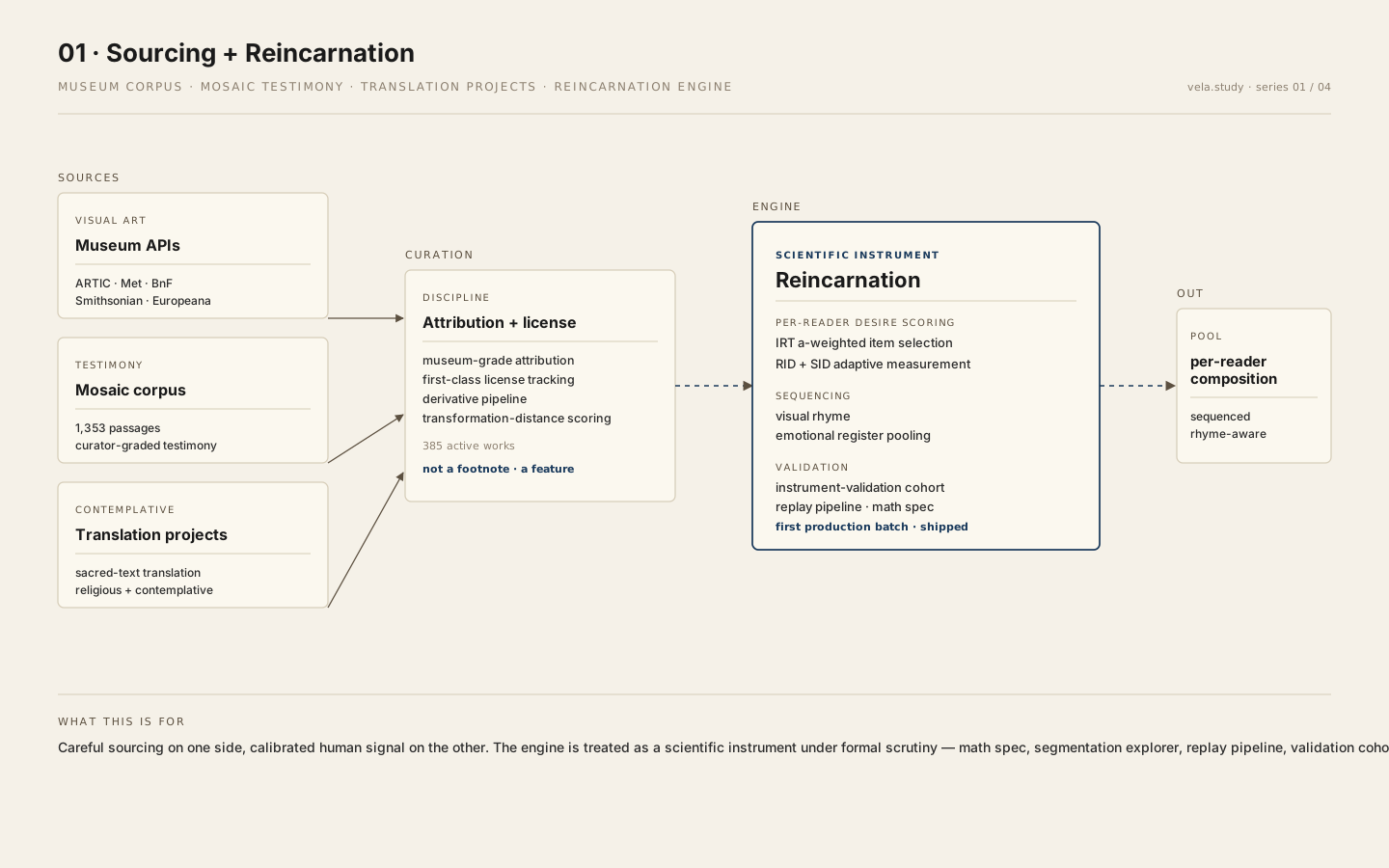
Vela is a free-to-read magazine for adults who want figurative art, longform writing and literature chosen with care. It draws fully attributed works from museum collections, and each reader’s magazine begins on the day they arrive. Responses to images and pieces shape what comes next. Its emotion pages turn a feeling into a shortlist of books, a reason each belongs and a passage from each book. Those lists draw on 1,109 book records that connect claims, selected passages, themes and emotions. For readers without an account, the current unread route stays in their browser for 30 days, while Vela keeps an anonymous response record instead of a server-side route for each visitor.
What is new in it
- Each reader’s magazine begins on arrival rather than on a publication calendar. Responses to images and writing shape the remaining route, so the pace follows the reader’s attention instead of a fixed issue schedule.
- Each recommended book comes with a reason and evidence from the text, allowing readers to judge the choice from the book’s own words. The underlying records connect claims, themes and emotions across the library.
- Figurative works come from museum collections with full attribution. The art sequences keep that provenance visible while arranging works for sustained viewing and response.
- For readers without accounts, the unread route remains in their browser. Vela stores an anonymous response record to prevent duplicates and allow answer revision without creating a server-side reading route for each visitor.
Where it stands
Vela is built to become the place someone starts when they want to know what to read for a feeling. The aim is a trusted shortlist of three to five books, a clear reason for each and one passage already read. Vela is live today with its free-to-read magazine, emotion pages, attributed art and responsive reading routes.